

-
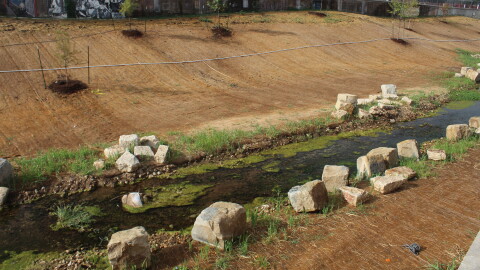 Michele SkalickyThe daylighting of Jordan Creek is part of a major stormwater project by the City of Springfield that will also provide recreational opportunities.
 -
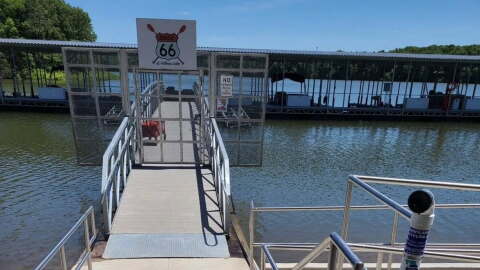 Watershed/FacebookThe nonprofit is ending its agreement with City Utilities after continuing to operate in the red.


-
 Researchers “wrangled” more than 50 snapping turtles this summer to test their blood and waste, said Dr. Sharon Deem.
 -
 The agency is pivoting from practices that were in place to limit the spread of CWD.
 -
 The one-tenth-of-one-percent sales tax has funded state parks in Missouri for decades.
 -
 Dr. Kevin Evans is a professor of Geography, Geology and Planning at Missouri State University.
 -
 The flower, discovered at Noah Brown's Prairie, is a species of conservation concern.
 -
 Transmission companies ask for right of first refusal on large powerline projects.
 -
 The Department of Environmental Services is looking for someone to build renewable energy production facilities using biogas at two of the city's facilities.
 -
 A sting from an Asian needle ant can cause anaphylaxis.
 -
 The Missouri Department of Agriculture updated requirements for animals coming from areas at risk for New World Screwworms.
 -
 Pesticide pollution is a problem especially in the middle of the country. And sometimes there's enough of it to possibly hurt aquatic plants and animals.


