

-
 Michele SkalickyDSPs provide critical care for those with disabilities and the elderly, and Medicaid cuts could lead to a greater shortage of them.
 -
 Gregory Holman/KSMUThe department stresses vigilance in spite of a low exposure probability.


-
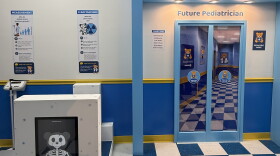 The Teddy Bear Pediatric Hospital is a project of the Discovery Center and Children's Mercy with Mercy.
 -
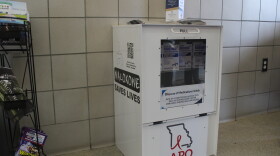 A collaboration of state and local organizations came together for the Rest Easy Naloxone Project.
 -
 Medicaid policy experts say anticipated changes to Medicaid eligibility requirements are already having a chilling effect, particularly among immigrants. Jackson County leaders are trying to get the word out so as many people as possible can keep their coverage.
 -
 Both procedural and medication abortion are now available in Springfield.
 -
 Three Springfield organizations have partnered for a back-to-school safety campaign.
 -
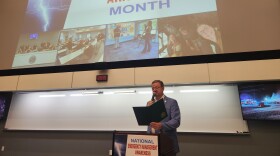 August is National Emergency Preparedness Month.
 -
 The coverage will be available for 2027.
 -
 The overdose reversing drug has been proven to save lives.
 -
 Missouri health officials say the CDC has added the state to a nationwide cyclosporiasis outbreak linked to lettuce grown in central Mexico, though the agency has not publicly announced the change.
 -
 State health officials say increased testing and reporting have contributed to the case count as investigators continue searching for the outbreak's source.


